Shipping routes

From our plots on the lower Amur to ports in Japan and the Russian Far East — choose the route that fits your port of discharge and volume.

Route 1: Direct

Nikolayevsk customs → Japanese ports
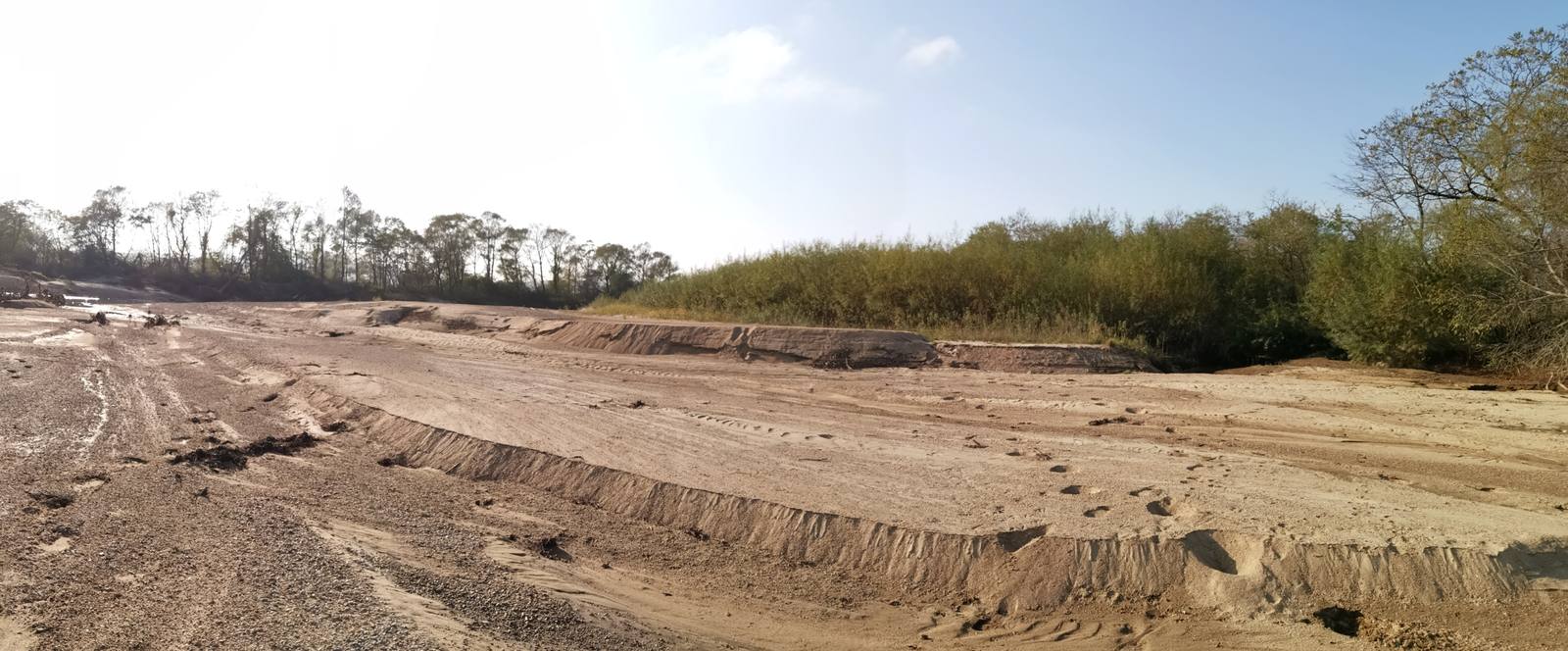
Mining plot (lower Amur)
↓ approx. 5 km by river
↓ Nikolayevsk customs: export clearance
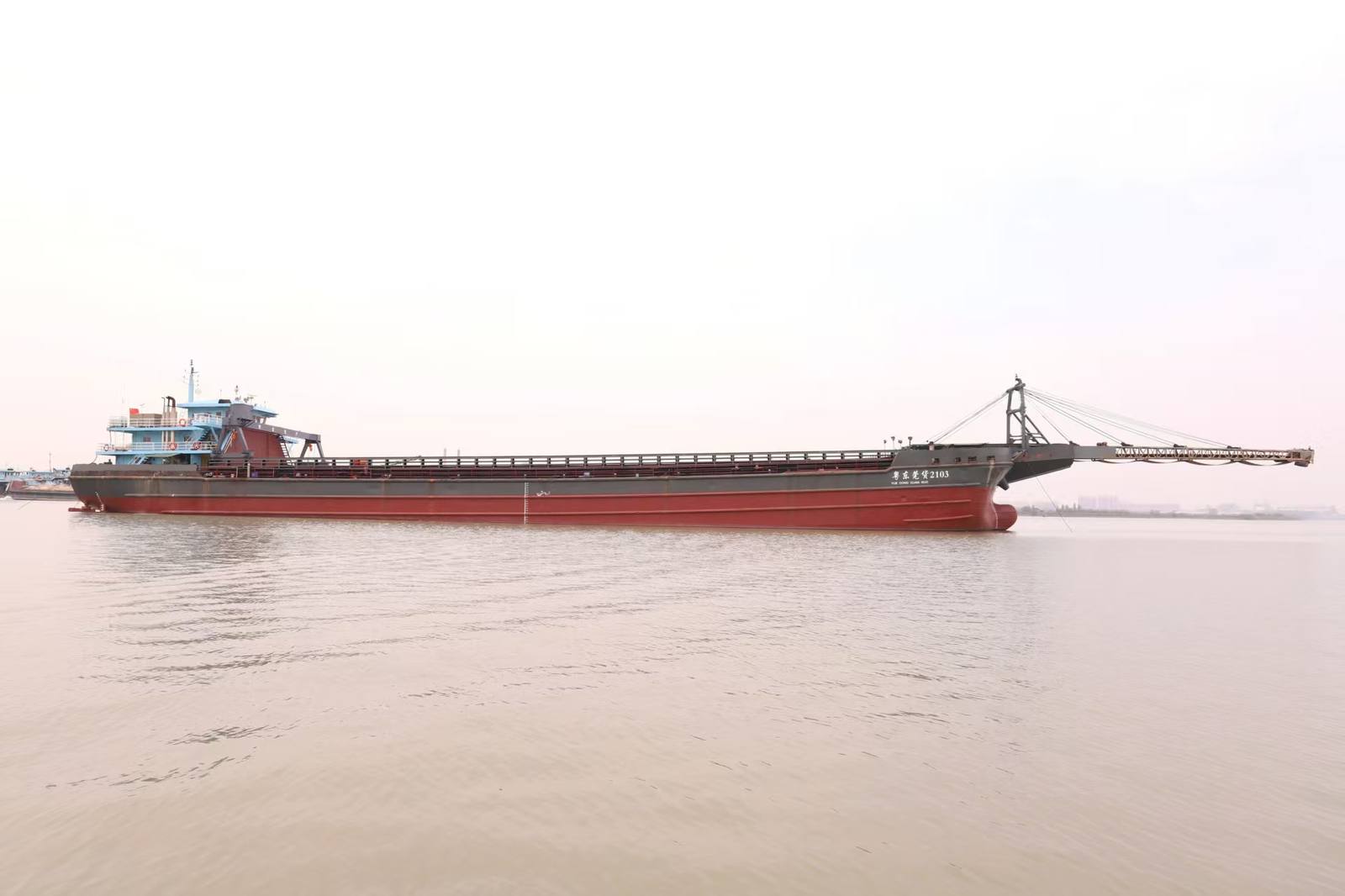
↓ 5,000 t self-unloading sand carrier (own fleet)
↓ Japanese ports: direct delivery
  • Vessels: 5,000–5,500 t self-propelled, self-unloading sand carriers (4 own vessels)
  • Hokkaido, Tohoku: 3–6 days
  • Kanto and further west: 5–10 days
  • Advantage: no shore unloading equipment needed; small ports welcome

Route 2: Bulk

Transshipment onto large vessels at the mouth of the Amur
Mining plot (lower Amur)
↓ Own sand carriers to the river mouth
↓ Amur mouth: transshipment at anchorage
↓ Large bulk carrier (20,000–50,000 t)
↓ Japanese ports: bulk delivery
  • Vessels: large bulk carriers (20,000–50,000 t, loaded at the river mouth)
  • Transit: 7–14 days
  • Best for: large, regular shipments
  • Advantage: export cargo is loaded at the river mouth, keeping in-country costs low
Route map: mouth of the Amur to Japanese ports (schematic) SEA OF JAPAN Sea of Okhotsk PACIFIC RUSSIA Sakhalin Hokkaido Honshu Tatar Strait La Pérouse Str. Tsugaru Str. Our plots Nikolayevsk-on-Amur River mouth: transshipment Vladivostok Otaru Akita Niigata Tokyo, Yokohama Bolshoy Kamen Sea transit (days) • Hokkaido 3–5 • Tohoku 4–6 • Kanto 5–8 • Kansai and west 7–10 Export route Domestic route (Russia) Not to scale; routes approximate
Route map (scale and routes are approximate)

Fleet and equipment

Based on our own fleet, we propose transport plans tailored to vessel type, berthing and handling conditions; final terms are agreed per project. Dimensions, year built and real photos of each vessel are on the Operations page.
Self-unloading sand carriers

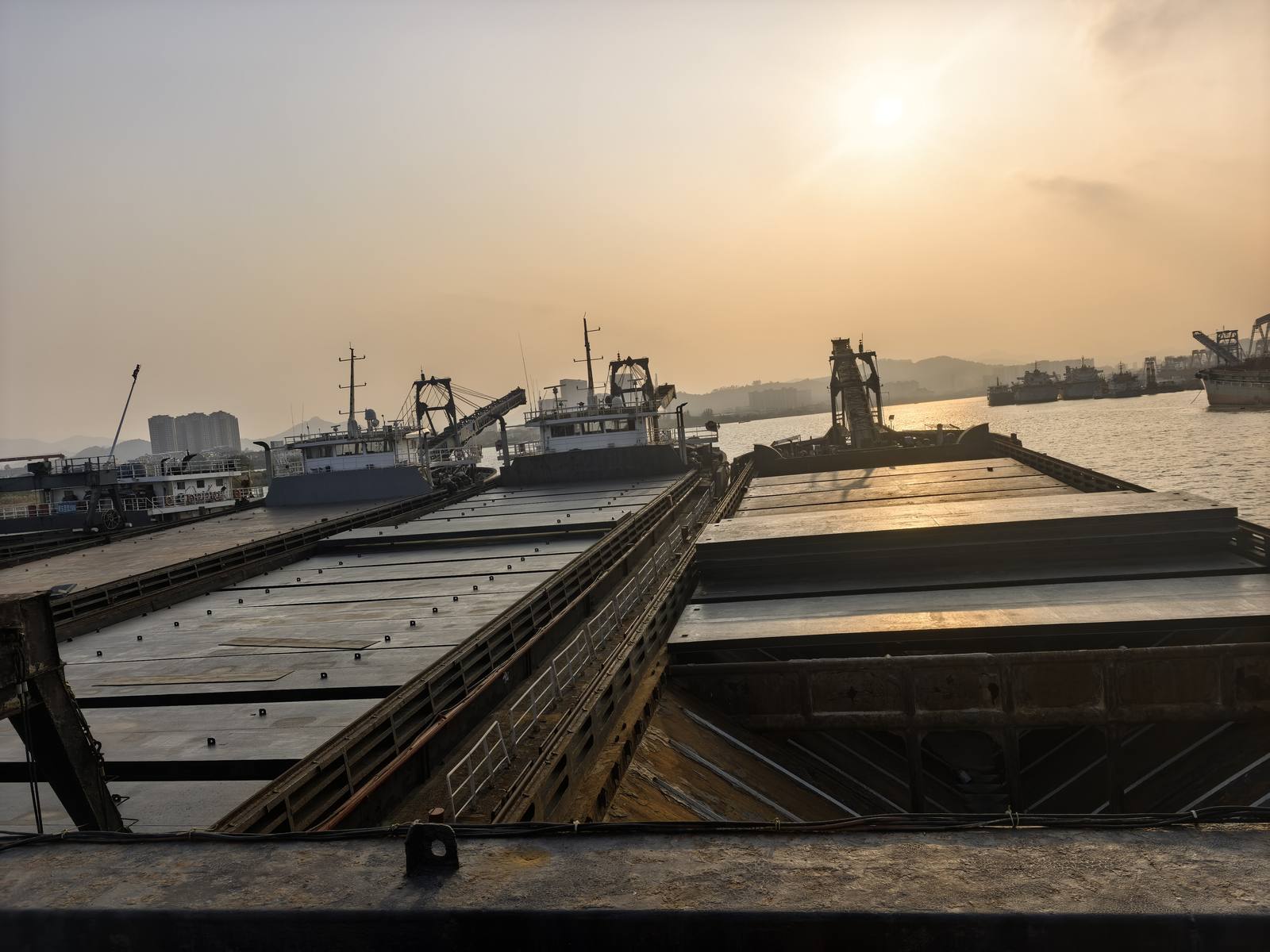
  • Capacity: 5,000–5,500 t (4 own vessels)
  • Self-propelled: sail under their own power
  • Conveyor self-unloader: no shore equipment needed
  • Ports: across Japan, including small ports
  • Flexible: from small to large lots

Extraction and transport equipment

  • 2 large suction dredgers: approx. 3,000 t/h each (Mitsubishi S16R-PTA2, 1,760 kW, 20-inch pump)
  • 1 small suction dredger: 16 × 7.2 m, approx. 500 m³/h
  • Double pumping washes out silt and clay
  • One carrier is fitted with a sand-washing system
  • Excavators and wheel loaders: onshore handling
4 × 5,000 t Own sand carriers
5 km Plot to loading point
Negotiable Berthing and handling terms
Our self-unloading sand carrier On-board loading equipment Sandbar on the mining plot (lower Amur)

2027 shipment plan

Shipments start in late April 2027, after the Amur ice break-up. To secure vessels and berths, please book 2027 volumes early. From trial shipments to long-term contracts, we tailor supply plans to your needs.

Item Details
Shipment plan 2027: 1.5 million t (base case; approx. 0.5 million t within Russia and 1.0 million t for export)
2029–2030: target of 8–10 million t a year
First shipments Late April 2027 (after the ice break-up); shipping season late April – early November each year
Minimum lot Trial shipment: from approx. 3,000 t
Supply options Trial shipment, spot contract, long-term contract
Payment L/C, T/T and other terms — negotiable

Sea transit times (reference)

Transit time from the loading point to Japanese ports depends on the port of discharge; please ask for details.

Region Main ports Transit
Hokkaido Otaru, Ishikari Bay New Port, Kushiro, Tomakomai 3–5 days
Tohoku Sendai, Akita, Hachinohe 4–6 days
Kanto Tokyo, Yokohama, Chiba 5–8 days
Kansai and further west Osaka, Kobe, Hiroshima, Hakata (Fukuoka) 7–10 days

Other destinations and the 2027 timetable

We also ship to destinations other than Japan. Delivery terms — FOB (Amur-mouth anchorage), CFR or CIF — are by agreement.

DestinationHow it is shippedReference
Russian Far EastDirect delivery by our own sand carriers to a port or stockyard5,000–5,500 t per voyage. Completed: Bogorodskoye stockyard, port of De-Kastri
Singapore and South-East AsiaTransshipment at the Amur-mouth anchorage onto bulk carriers of about 50,000 tNikolayevsk-on-Amur to Singapore: 3,722 nautical miles, about 13.5 days at sea at 11.5 knots

Steps to a 2027 shipment

  1. By December 2026Agree volume, specification, delivery terms and shipment schedule; sign the contract.
  2. December 2026 – April 2027Samples and testing, vessel chartering, berths and anchorage, customs formalities; winter maintenance of dredgers and fleet.
  3. Late April 2027The Amur opens; dredging starts; first loading.
  4. May – October 2027Shipments to schedule; each lot with its test results.

Vessels, berths, anchorage and customs formalities take several months to arrange, so please confirm 2027 volumes by December 2026.

Vessel documents

The vessel's safety and environmental certificates (PDF) are available for verifying transport conditions.

Document Details
Vessel documents Yue Dongguan Huo 2103 (former name Hongfu 103) – safety and environmental certificate (PDF)